“Colombia is pretty safe, as long as you’re not looking for drugs or prostitutes,” I said to two young men as we waited for our luggage.
They sheepishly looked at one another, not saying anything but saying everything.
Marilia and I exchanged glances, with a smirk of an eye roll.
We were at Viracopos International Airport in Campinas, or VCP as we call it, as we speak in global airport codes (I find it strange that people generally don’t refer to airports by their codes, but I digress). It’s one of the larger freight airports in Brasil, but a smaller commercial airport only supporting a city of approximately a million people in Campinas, about 90 minutes outside of Sao Paulo (in contrast GRU in Sao Paulo supports approximately 22 million or so). We prefer to fly in there when we can as it’s 20 minutes from Indaiatuba, our home base .
Generally speaking, not too many native English speakers or foreigners fly into VCP, which makes customs a breeze. There were two Englishmen speaking, and I decided to strike up a short conversation with the two as I thought it was odd for backpackers to be entering Brasil at this airport.
They had missed their flight from Lisbon the day before and had to rebook, and were on a five-week stint starting in Rio de Janeiro, heading to one or two other stops before making their way to Colombia.
I shared with them that if their itinerary was flexible, they should consider taking a bus or plane from Medellin or Bogota to Salento. It was one of the most beautiful places I’ve seen, and it’s good to balance city partying and visiting nature traveling at their age (fun fact: you can drink just as much in the hostels in small towns).
“I don’t know. We’re concerned about the safety in Colombia to travel to rural areas,” one replied.
The naivety of certain people never ceases to amaze me. Here were two green travelers, nervous about visiting a popular hiking town in Colombia, but who were diving head first into Rio de Janeiro, a safe city, but let’s be honest, it can be much more dangerous for tourists that are not street smart than a mountain town.
A few minutes later they had to leave to catch their bus.
“Well, have a good time and be safe,” I said.
The men shuffled off.
Marilia looked at me. “They’re going to get mugged.”
“Almost certainly,” I replied.
****
Flying into Bogota, I kept humming Van Halens Panama, with the obvious modification of the chorus to Bo-go-ta. This was due to our route being Sao Paulo > Panama > Bogota, a needlessly long route causing our journey to be quite painful, as well as creating an earworm for the next several weeks.
Colombia was a new country for us, and we didn’t know what to expect. I had read coming into Bogota that it is now ranked among the safest cities in the world, supposedly even beating out Indianapolis in terms of safety – I hoped it had a much better culture than the latter.
Bogota
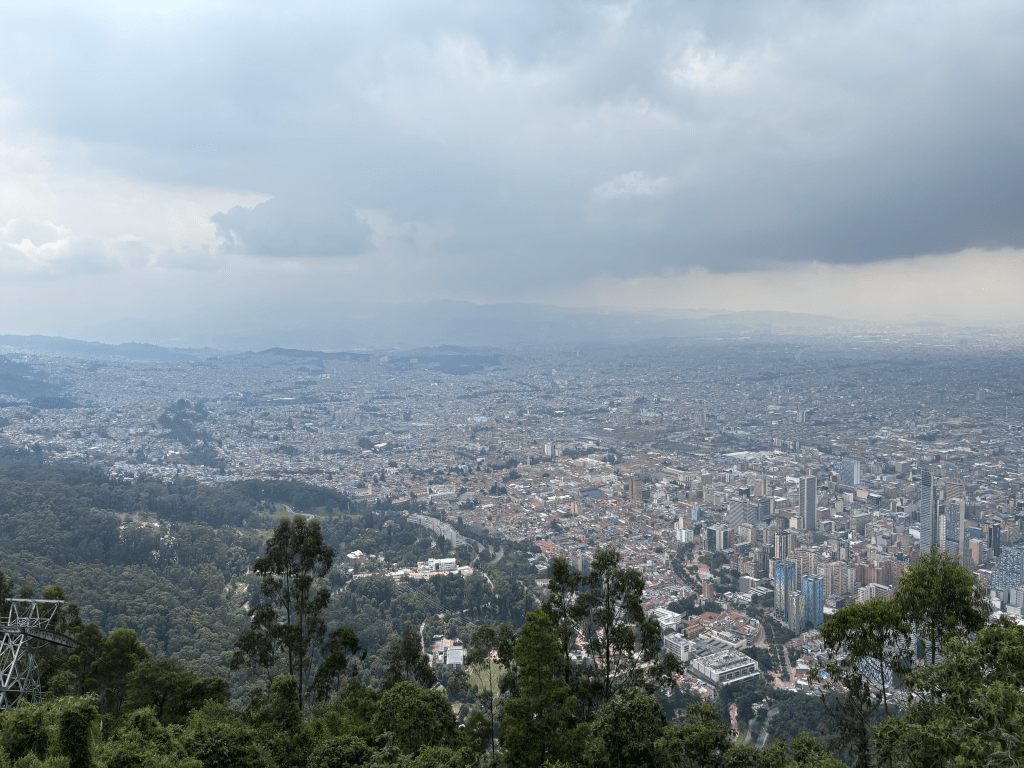
Landing in Bogota, I was immediately surprised by the size and scope of the city. Ten million people reside in this valley, or, in my opinion, a forever simmering cauldron, whose smoke spills out over the Andes.
We stayed in the Gastro Zone, near Parque de la 93, and were blown away by the international food scene of Bogota. While eating locally is one of the most important and fun parts of travel, it’s pretty interesting to have great Pho, fire-roasted pizza, and Italian in an unexpected place. And, as my one friend puts it, “You can’t go wrong with Dim Sum.”
After settling in on our first night, the next day we explored the city in back-to-back walking and food tours around the La Candelaria neighborhood. It was quite astonishing to learn more about the story of Colombia and see the location of the Palace of Justice Siege, an unfortunate, but not isolated incident of Colombian unrest.
We met some great people on the tour and had great soup, beer, and capybara, which is surprisingly tasty.
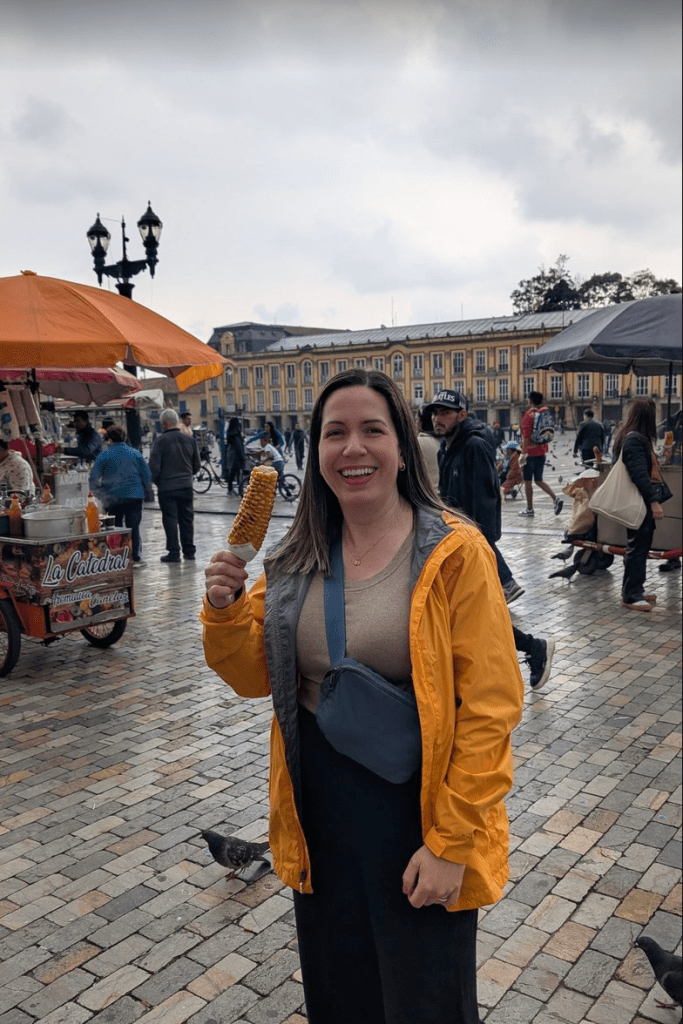
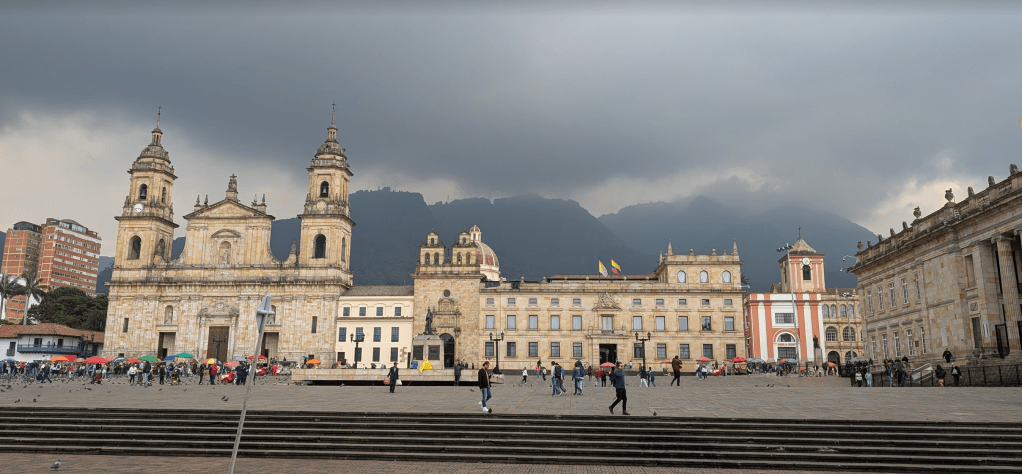
After this fun day, Marilia began to feel ill, which would last throughout our stay in Colombia, and I was left to my own to explore the rest of the city.
Gold Museum
One of the most interesting museums I’ve visited. The Gold Museum in Bogota houses over 55,000 pre-Colombiam gold pieces throughout its several stories. Not only are these beautiful, but they provide a glimpse into a fraction of what has been lost mainly due to the material extraction of gold and other resources to Spain throughout Central and South America.

Monserrate via Piligrims Way
If you’re from Denver, I would describe hike this as a much more difficult Mt. Sanitas trail. You’ll see about 2,800 ft + elevation gain over 1.7 miles on a trail on the outskirts of a city. My mistake was doing this on a Sunday nearing a holy day, and I was one of probably several thousand making the journey. While a great workout, and beautiful views, 10/10 I would not do again.
Salento
I had read about Salento some time ago, a small town in Quindo surrounded by coffee farms and known for having the highest density of Wax Palm trees anywhere in the world. These are not your beach palms, and tower over you at 150ft-200ft.
We landed in AXM Armenia, about a 60 minute taxi ride from Salento, and split a cab with a young man embarking on a month journey between Colombia and Bolivia, and who intended to rent a car to explore Bolivia. Like the travelers at VCP, he seemed quiet naive and when I asked if he knew any Spanish (more of a must in Bolivia), he exclaimed “I’ve been practicing for two weeks, and I’m going to use this time pick it up.” I wonder if he’s still alive…
Thankfully, Marilia was feeling better on this travel day though this would not last. We checked into one of the nicest hostels I’ve been to that was several kilometers out of town with the surrounding mountains, mist, and old church as back-drop.
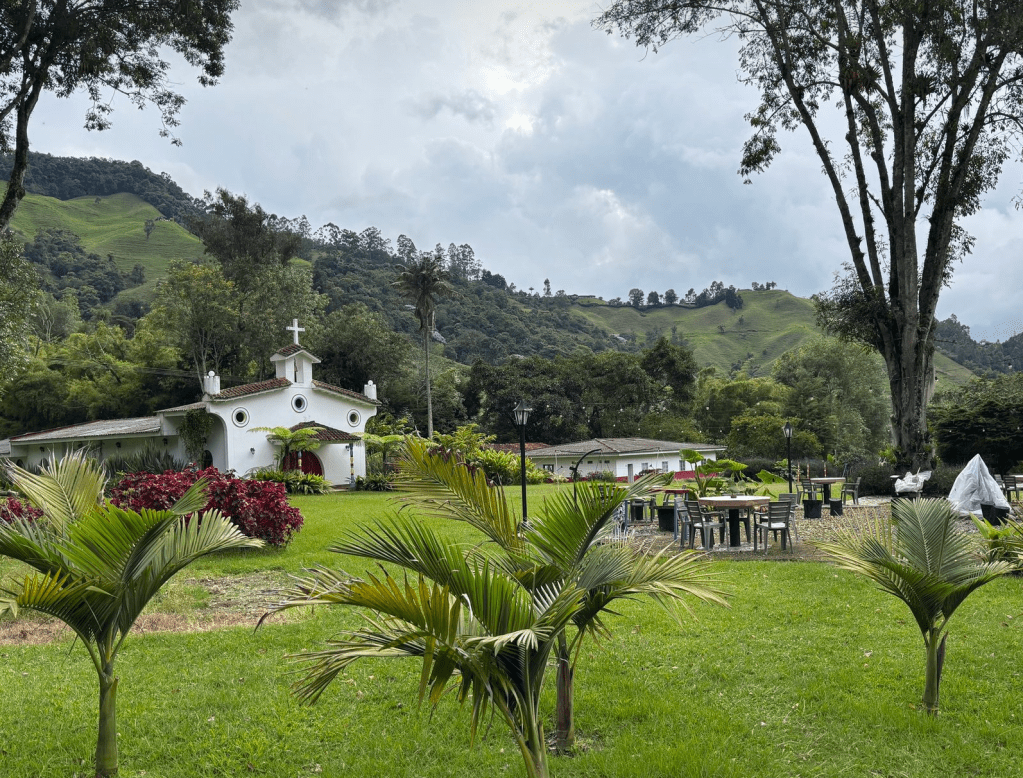
Unfortunately, Marilia became ill again the following day, and outside of several trips to the local hospital in the back of a passing jeep, or Willy as they are known, she was bedridden the rest of the week with a severe flu, with only me and fever-dream shamans to keep her company.
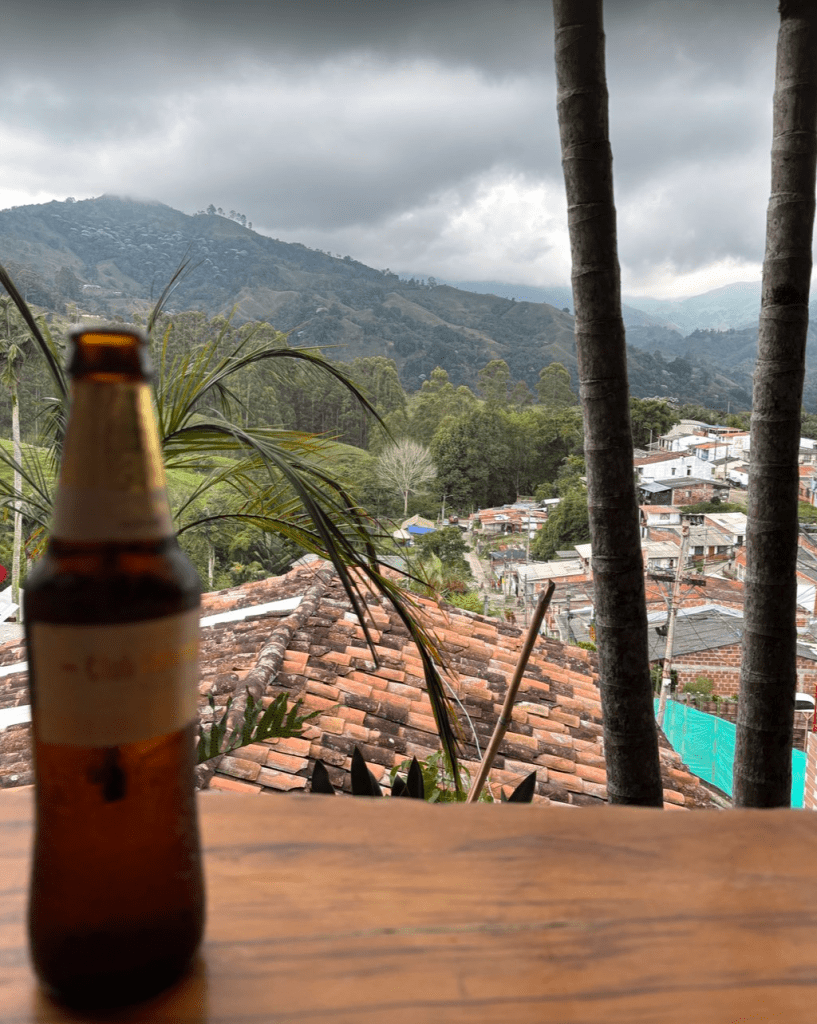
On the second to last day, Marilia was mostly feeling out of the woods, which allowed me to do the Cocorra Valley hike – if you are lucky enough to visit I recommend doing the loop counter-clockwise. I waited outside my hostel for a passing Willy, and have to admit that it took a bit, as I had to wait for one with enough room in the bed – there’s no way I’m hanging off the back of a moving vehicle going 40mph through the mountains.
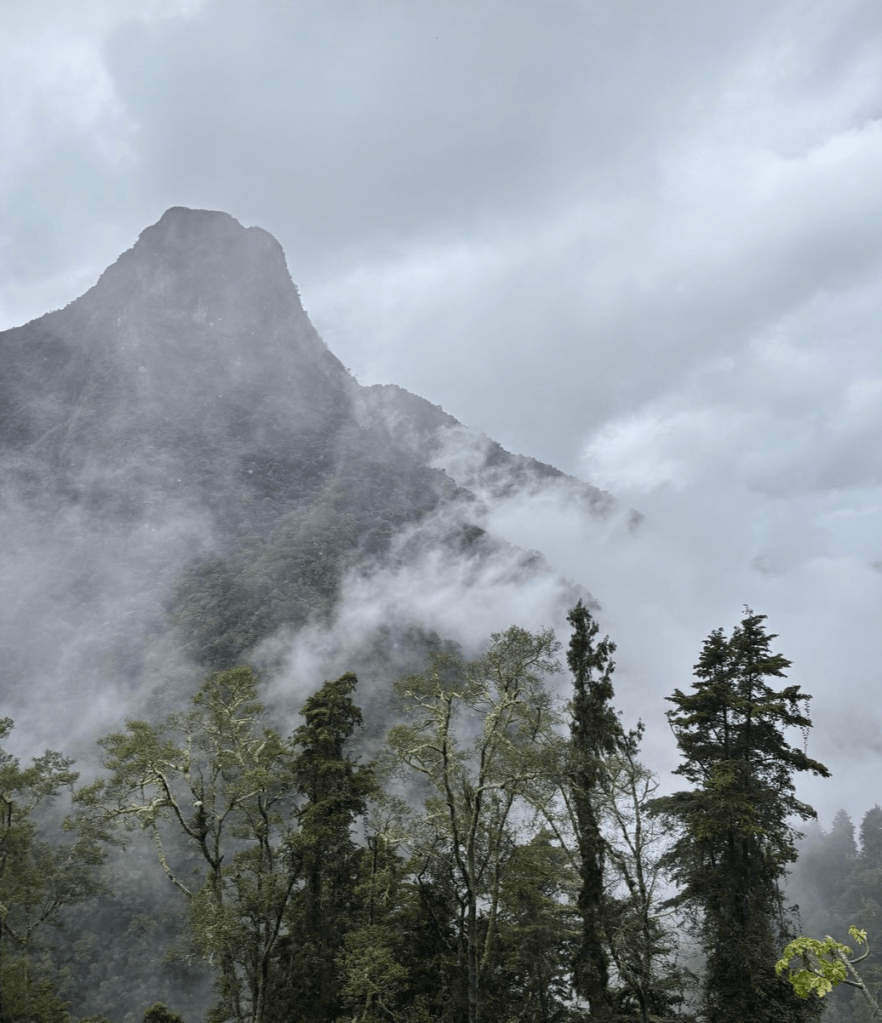
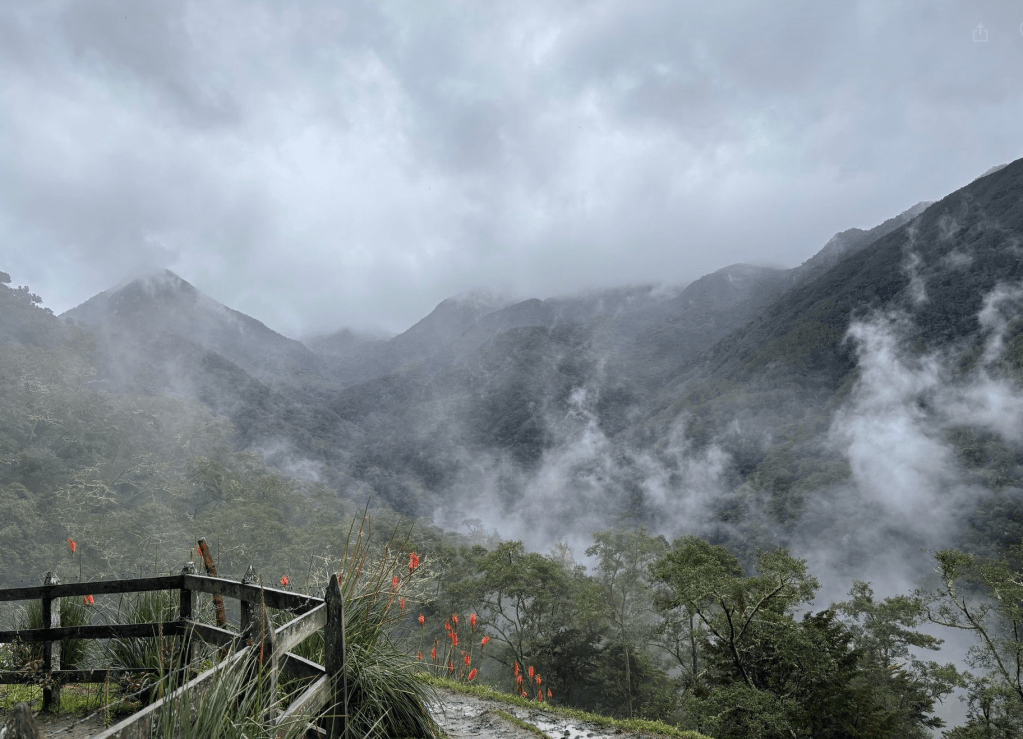
As an introduction to the Andes, I couldn’t ask for a better hike. The lower valley is cleared, minus the Wax Palms in the distance, for grazing and ranches, and the lack of any machinery puts your mind in a different time. It was a bit discomforting to cross paths with a single Colombian military on patrol carrying an M16, but that feeling quickly passed as he nodded and waved.
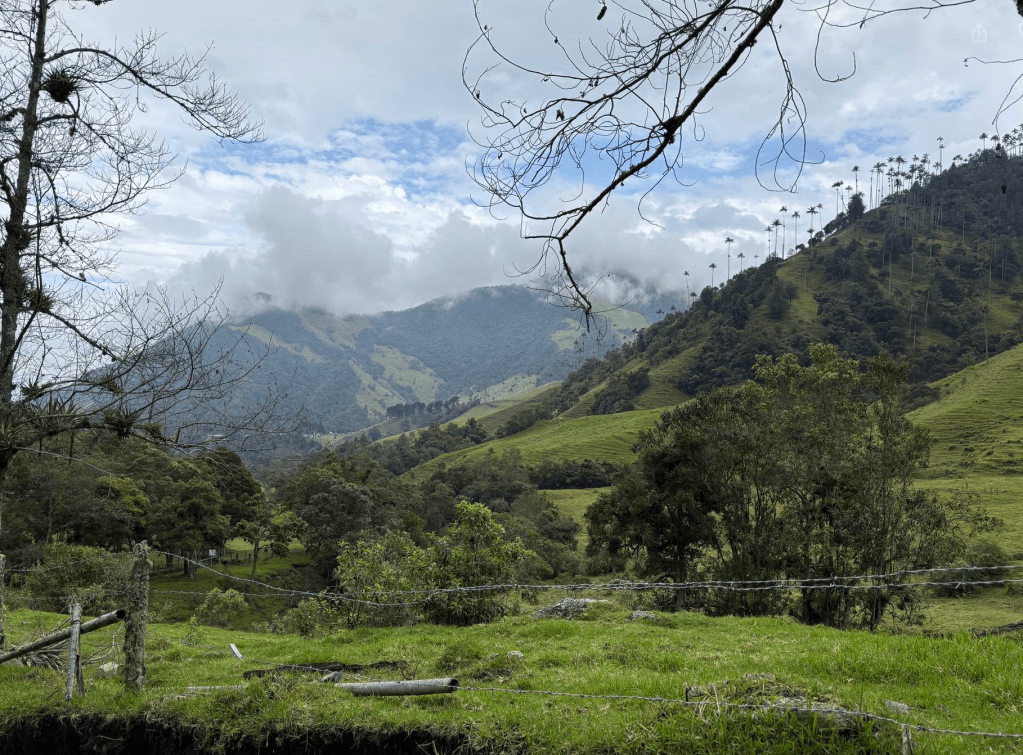
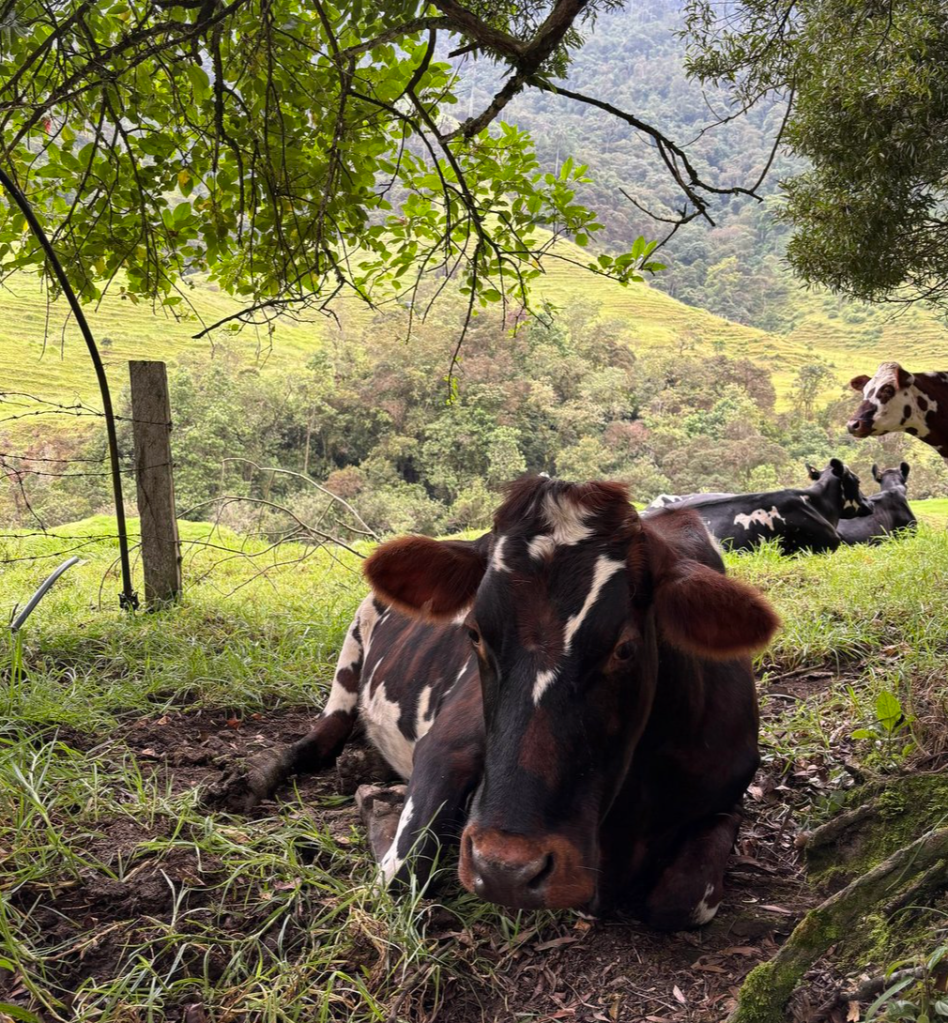
Outside of this man, and for the next several miles and through the dense, wet forest, I was alone, listening to the rain and the occasional bird.

When you get to the halfway point of the loop, there is an option to hike further to what’s known as the Hummingbird Sanctuary, essentially a small house further up the mountain with several dozen feeders. I highly recommend this, as even with the rain there were approximately 50 hummingbirds across multiple species.
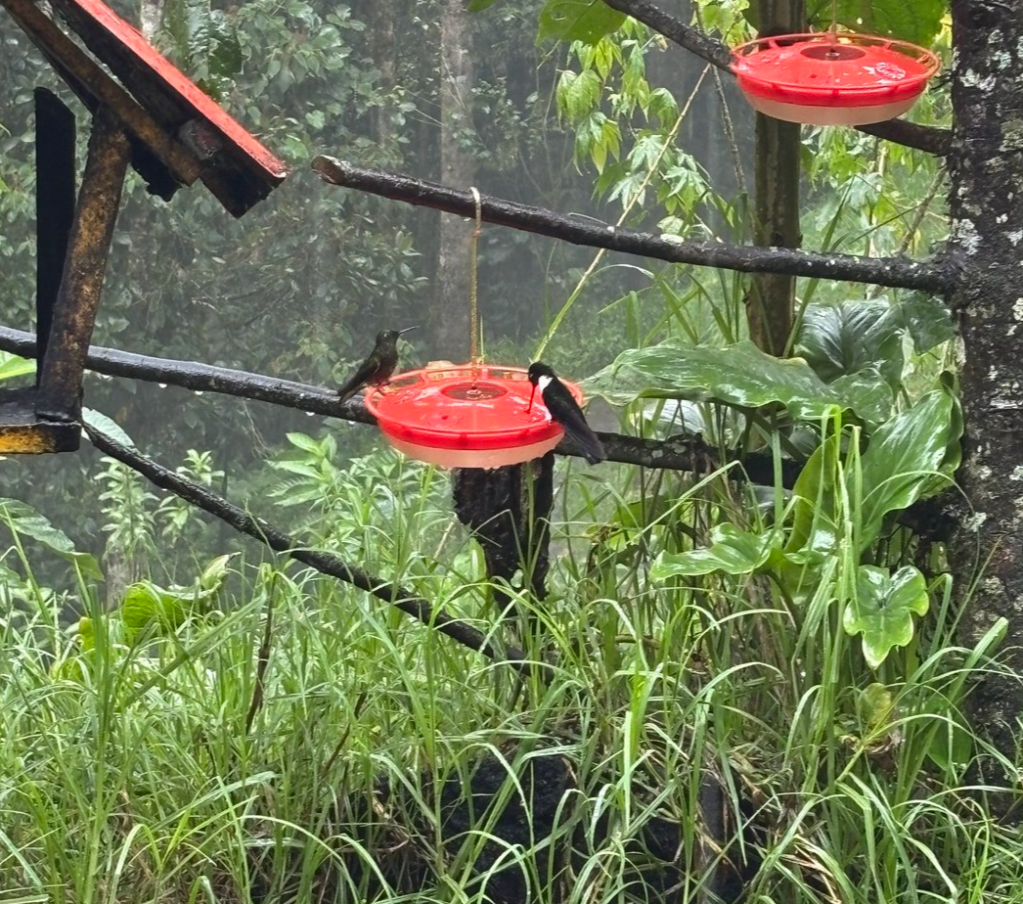
After a cup of coffee, I began my hike down with a Colombian man who was motorcycling through the country. He wasn’t sure of his route down, and told him I’d go with him, though this was new to me as well. Given that the rains picked up, some company couldn’t hurt.
As we made our way down, we inadvertently went off course almost immediately down a washout trail, and when we made our way back onto the path the route I had hiked up was completely washed out under about 6” of water – definitely not a good time for whoever was hiking up that when the rains came.
The rest of the hike was full of rain, mud, horses, and some pretty incredible views.


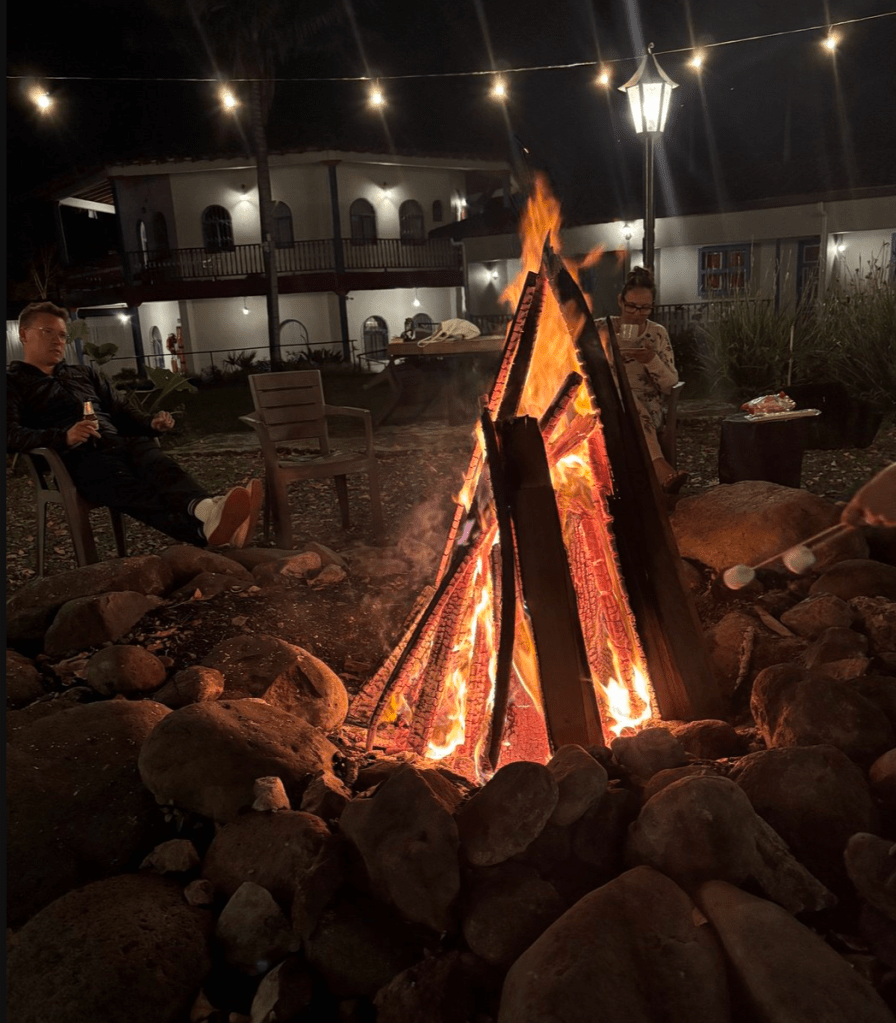
Our last night at the hostel Marilia was well enough to come out of her room, had a hot rum and marshmallows around the campfire, finally proving to the other guests that ‘this wife’ I kept talking about wasn’t a fabrication.
If I had to do things differently, outside of my wife being healthy, I would rent a car for a week and stay in the various small towns surrounding the small towns and use them as a jumping off point to hike.
Medellin
The final stop in our Colombian journey was Medellin. This city has gained popularity over the last several years, becoming a destination for tourists and digital nomads.
During our stay, we visited Communa 13 with a group of friends and also did a walking tour. It’s impossible to know the cultural changes of the Communa over the years, but it felt like a mix of Bourbon Street (or Carson Street for Yinzers), a shopping mall, street food market, and an amusement park, all packaged into a somewhat unregulated city on a hill. One of my favorite meals was an ever-changing ‘menu del dia’ was had while walking through the Communa.

*****
Colombia is a place I want to return to. It’s vibrant, drizzly, a little cold – the kind of place where a hot soup and a cold go a long way. And despite the setbacks we had, specifically with Marilia’s ailments, it left a lasting impression for both of us. Not only was I able to see the beauty of the Andean mountains, but I was able to care for my wife in a way I hadn’t before, returning a favor she has done for me many times already.
Maybe this fall, or in five years, we’ll head back to Colombia, get a car, and experience the beauty together, with both of us healthy. And who knows, maybe those kids from VCP are getting ready to leave Brasil, hopefully with their phones and passports in hand, and have had such a good time that they want to explore a little more of the continent other than a popular city, and are getting ready to hang off the back of Willy in the Colombian countryside.


 topagraphy
Leave a reply to Peter Topa Cancel reply